Introduction
Dysphagia, or problem ingesting, can significantly affect a person's quality of life. It impacts not just the person experiencing it but also their caregivers and healthcare providers. Therefore, dysphagia education is crucial for any individual involved in the care of people with this problem. This article will delve into the importance of dysphagia education and learning, especially for carers and care personnel, stressing exactly how dysphagia training can lead to enhanced patient end results, greater confidence levels amongst caretakers, and enhanced support group.
What Is Dysphagia?
Dysphagia is a medical term that describes problems in ingesting. This condition can arise from numerous concerns, consisting of neurological disorders like stroke or Parkinson's condition, structural irregularities, and even maturing. People with dysphagia may experience:
- Pain while swallowing A feeling of food obtaining stuck in the throat or chest Coughing or choking during meals Regurgitation
Understanding these symptoms is vital for giving reliable care.

Types of Dysphagia
There are 2 major sorts of dysphagia:
Oropharyngeal Dysphagia: This includes problem transferring food from the mouth to the esophagus. Esophageal Dysphagia: This relates to troubles in the esophagus preventing food from passing into the stomach.Each kind requires different approaches for efficient management.
Why Is Dysphagia Education and learning Important?
Education plays a critical duty in structure confidence among caretakers. When care staff are knowledgeable concerning dysphagia, they can provide better assistance and create more secure settings for those affected.
Enhancing Treatment Quality
By getting dysphagia training, treatment team learn exactly how to identify indications of dysphagia and respond properly. This knowledge helps protect against complications such as choking or goal pneumonia.
Promoting Patient Safety
Training training courses concentrated on dysphagia furnish caregivers with skills to make sure individual safety and security throughout meals. dysphagia training They discover appropriate positioning, food texture modification, and hydration strategies.
Building Confidence in Care: The Requirement of Dysphagia Education
When caregivers believe in their ability to handle dysphagia effectively, it directly profits their individuals. Self-confidence results in positive techniques instead of responsive measures.
Empowering Carers With Knowledge
Dysphagia education and learning equips caregivers by giving them with necessary details that demystifies the problem. Comprehending its complexities permits them to feel even more qualified in their roles.
Reducing Anxiousness Amongst Treatment Staff
Knowledge reduces unpredictability and stress and anxiety among care staff when handling people who have dysphagia. With comprehensive training, they become experienced at managing tough circumstances steadly and efficiently.
Components of Efficient Dysphagia Training
To construct a robust understanding of dysphagia, training programs should consist of different parts:
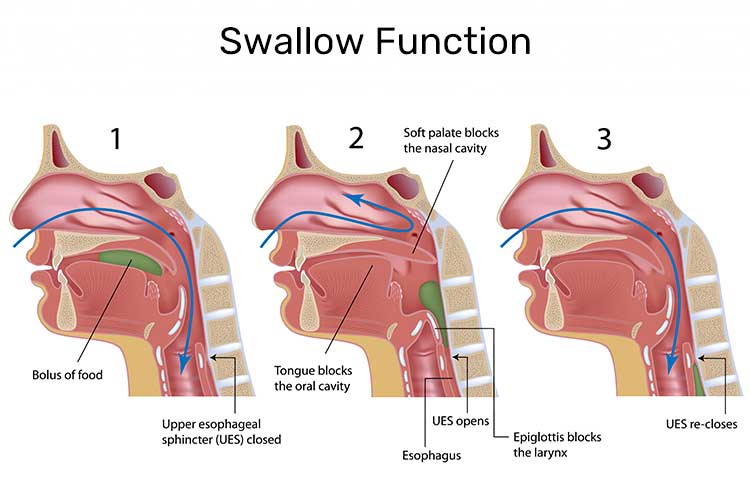
Anatomy and Physiology: Comprehending the swallowing process. Assessment Techniques: Exactly how to review a person's ingesting ability. Intervention Strategies: Techniques for secure feeding practices. Emergency Methods: Preparedness for possible difficulties like choking.Curriculum Advancement for Dysphagia Training Courses
Developing a curriculum that encompasses all elements of dysphagia is vital for reliable training courses focused on nurses and treatment staff.
|Curriculum Part|Description|| ---------------------------|-------------------------------------------------------|| Composition of Swallowing|In-depth overview of relevant makeup|| Signs & & Symptoms|Identification of different kinds of dysphagic signs|| Safe Feeding Practices|Techniques ensuring client security throughout dishes|| Emergency situation Reaction|Treatments to adhere to in case of choking events|
Target Target market for Dysphagia Training Programs
Identifying the target market is essential when designing a dysphagia training program:
Carers: Relative or non-professional caregivers that assist individuals with dysphagia. Care Staff: Professional caretakers working in aided living centers or nursing homes. Healthcare Professionals: Registered nurses and specialists involved in patient rehabilitation.Tailoring Web content to Different Audiences
Content should be tailored based upon the target market's background knowledge and obligations regarding individual care.
Implementation Methods for Dysphagia Training
To properly execute a dysphagia training program within a healthcare facility or community setup:
Conduct needs assessments Develop collaborations with neighborhood health and wellness organizations Utilize on the internet resources together with in person training sessions
Utilizing Technology in Training Programs
Incorporating innovation can improve discovering experiences via interactive components, video clips demonstrating techniques, and virtual simulations that mimic real-life scenarios.
Benefits of Dysphagia Training for Carers and Staff
The benefits prolong beyond mere expertise purchase; they include tangible advantages that improve overall caregiving experiences.
Improved Communication Skills
Training urges better interaction in between caretakers and health care experts pertaining to dietary demands and modifications in clients' conditions.
Enhanced Group Collaboration
Effective training promotes synergy among multidisciplinary groups associated with individual treatment plans attending to ingesting difficulties.
Building Confidence With Constant Education
Dysphagia education shouldn't be an one-time event; recurring discovering chances are necessary for maintaining caretaker competency.
Continuing Expert Advancement (CPD)
Emphasizing CPD guarantees that carers remain updated on finest methods connected to dietary monitoring for people with dysphagic issues.
FAQs on Dysphagia Education
What prevail sources of dysphagia?- Common causes consist of neurological conditions (like strokes), structural abnormalities (like lumps), muscle mass conditions (like ALS), or even aging-related changes.
- Look for recognized programs supplied by expert nursing associations or regional health organizations concentrating on senior citizen care.
- Yes! Numerous organizations supply on the internet programs covering different aspects connected to taking care of patients with ingesting difficulties.
- Absolutely! Adjustments often include thick liquids or soft foods tailored according to specific evaluation results.
- Definitely! Family members play an essential role in caregiving-- education and learning aids them understand how finest they can aid their loved ones while making certain security during mealtimes.
6. What sources are offered after completing a course?
- Graduates frequently receive accessibility to support networks using professional organizations where they can proceed finding out about current study searchings for or engage peer support groups focused on ongoing challenges dealt with by individuals living with this condition.
Conclusion
In conclusion, developing self-confidence with comprehensive education on dyspahgia is not merely advantageous; it's essential for giving premium treatment that advertises safety and security and enhances quality of life for those affected by swallowing difficulties. By investing time right into reliable programs such as " Dysphaiga Training For Carers," " Dysphaiga Care Training," " Dysphaiga Training Courses, "" " Dysphaiga Support," we empower both caretakers & & specialists alike toward accomplishing ideal results!

Through dedication towards consistent improvement through ongoing development efforts, we stand joined versus difficulties presented by this complicated yet convenient problem-- with each other improving lives one ingest at a time.